Neurofeedback
- Licensed Professional
- BCIA Certified
- Evidence-Based Care
- Personalized Treatment
- Licensed Professional
- BCIA Certified
- Evidence-Based Care
- Personalized Treatment
We'd Love to Hear From You
Reach out by phone, email, or visit our office. Our friendly team is here to assist you.
Phone
(704) 336-9176Office Hours
Monday – Friday
9:00 AM – 5:00 PM
Office Address
280 Concord Parkway South, Suite 100Concord, NC 28027
Follow Us on Instagram
Follow us on InstagramHow Can We Help?
Have questions about our services or want to schedule an appointment? Complete the form below and our team will get back to you as soon as possible.
Our team typically responds within one business day.
Please do not include sensitive medical or personal health information in this form.
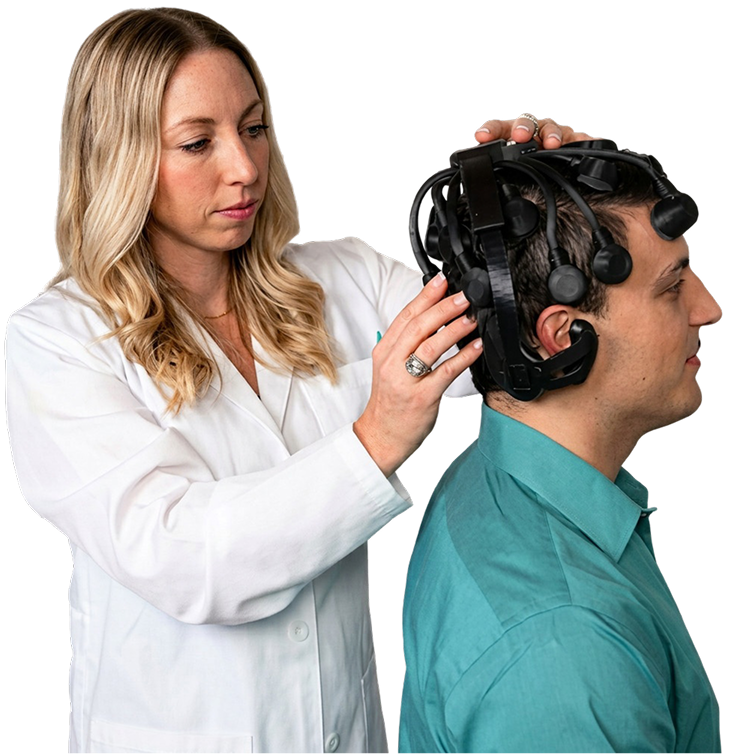

Helping Your Brain Learn Better Patterns
Supporting Better Brain Function
- Focus and concentration
- Emotional regulation
- Anxiety and stress management
- Sleep quality
- Mental clarity
- Memory and cognitive performance
- Self-awareness and resilience
- Overall brain wellness
Personalized Care for Children, Teens & Adults

Anxiety
Calm an overactive mind and restore inner peace.

ADHD Focus
Sharpen concentration and improve executive function naturally.

Trauma & PTSD
Regulate your nervous system and process deep-seated stress.

Stress & Burnout
Build neurological resilience against daily pressures.

Brain Fog
Clear the mental cloudiness and unlock cognitive clarity.

Emotional Regulation
Gain control over mood swings and emotional spikes.

Concussion Recovery
Advanced support to accelerate brain healing.

Nervous System
Target neural rehabilitation for optimal recovery.

Peak Cognitive
Elevate memory, speed, and elite mental stamina.
Your Journey To Cognitive Excellence
CONSULTATION
Begin with a one-on-one consultation where we discuss your concerns, goals, and determine the most appropriate next steps for your care.
ASSESSMENT
Gain deeper insight into your symptoms, history, and overall well-being through a comprehensive assessment process.
BRAIN MAPPING
Comprehensive QEEG Brain Mapping helps us better understand brain activity and create a more personalized treatment approach.
PERSONALIZED PLAN
Using assessment results and clinical expertise, we design an individualized plan tailored to your needs and goals.
TREATMENT
Receive evidence-based care through neurofeedback, therapy, and other supportive services designed to encourage meaningful progress.
- Licensed Professional
- BCIA Certified
- Evidence-Based Care
- Personalized Treatment
- Licensed Professional
- BCIA Certified
- Evidence-Based Care
- Personalized Treatment
Questions? We’ve Got Answers.
1. What is neurofeedback?
Neurofeedback is a non-invasive form of brain training that helps the brain learn healthier patterns of activity. By providing real-time feedback about brain function, neurofeedback encourages the brain to self-regulate, which may improve attention, emotional regulation, sleep, resilience to stress, and overall cognitive performance.
2. Is neurofeedback safe?
Yes. Neurofeedback is considered a safe, non-invasive training approach. Unlike medication, it does not introduce chemicals into the body or stimulate the brain with electricity. Most people tolerate sessions very well.
3. What conditions can neurofeedback help with?
Neurofeedback may benefit individuals experiencing:
- Anxiety and chronic stress
- ADHD and attention difficulties
- Trauma and PTSD
- Depression
- Sleep problems
- OCD
- Emotional dysregulation
- Peak performance challenges
- Brain fog and cognitive concerns
- Migraines (for some individuals)
- Recovery from concussion (when appropriate)
Treatment recommendations are individualized based on your history and goals.
4. What is a QEEG Brain Map?
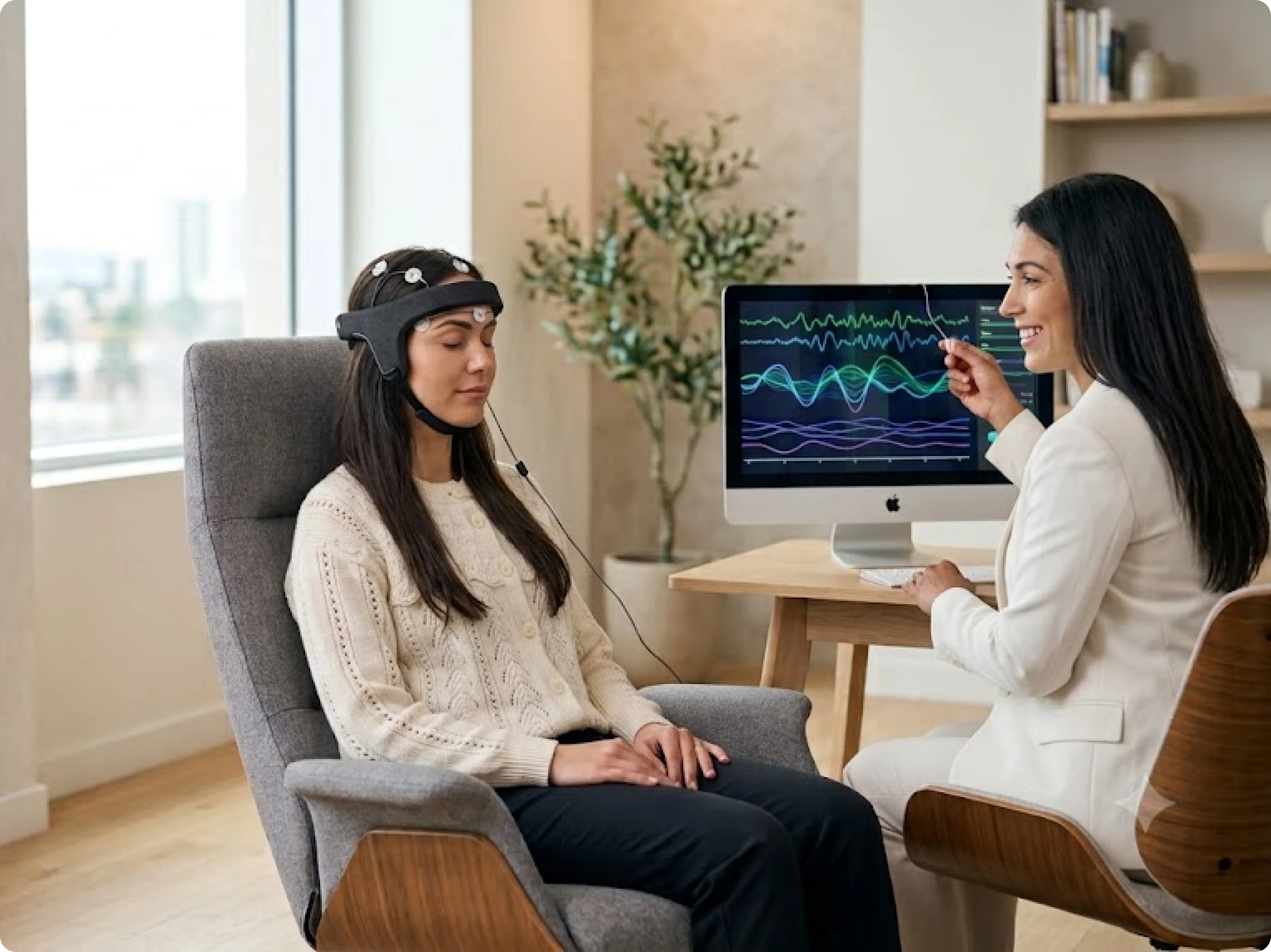
A Quantitative EEG (QEEG) is an assessment that measures your brain’s electrical activity. It helps identify patterns that may contribute to your symptoms and can guide personalized neurofeedback recommendations.
5. How many sessions will I need?
Every brain is different. Some people notice changes within several sessions, while others require a longer course of training. Your treatment plan will be individualized based on your goals, symptoms, and progress.
6. Does everyone need a QEEG?
Not necessarily. Some clients benefit from beginning with symptom-based neurofeedback, while others may choose a QEEG for a more comprehensive understanding of their brain function. During your consultation, we’ll discuss which approach best fits your needs.
7. Do you offer counseling in addition to neurofeedback?
Yes. NeuroWellness Collective provides professional counseling services and can integrate therapy with neurofeedback when appropriate. Combining both approaches often helps clients address underlying emotional concerns while improving nervous system regulation. Neurofeedback can be provided as a stand-alone service or alongside counseling.