

Brain Mapping qEEG

Brain Mapping (qEEG) in Concord. NC

Gain a clearer understanding of your brainwave activity through non-invasive Brain Mapping (qEEG) in Concord. NC to support personalized care, neurofeedback planning, and cognitive wellness.

Understanding Brain Mapping qEEG
What Is Brain Mapping (qEEG)?

UNDERSTAND YOUR BRAIN WITH PRECISION

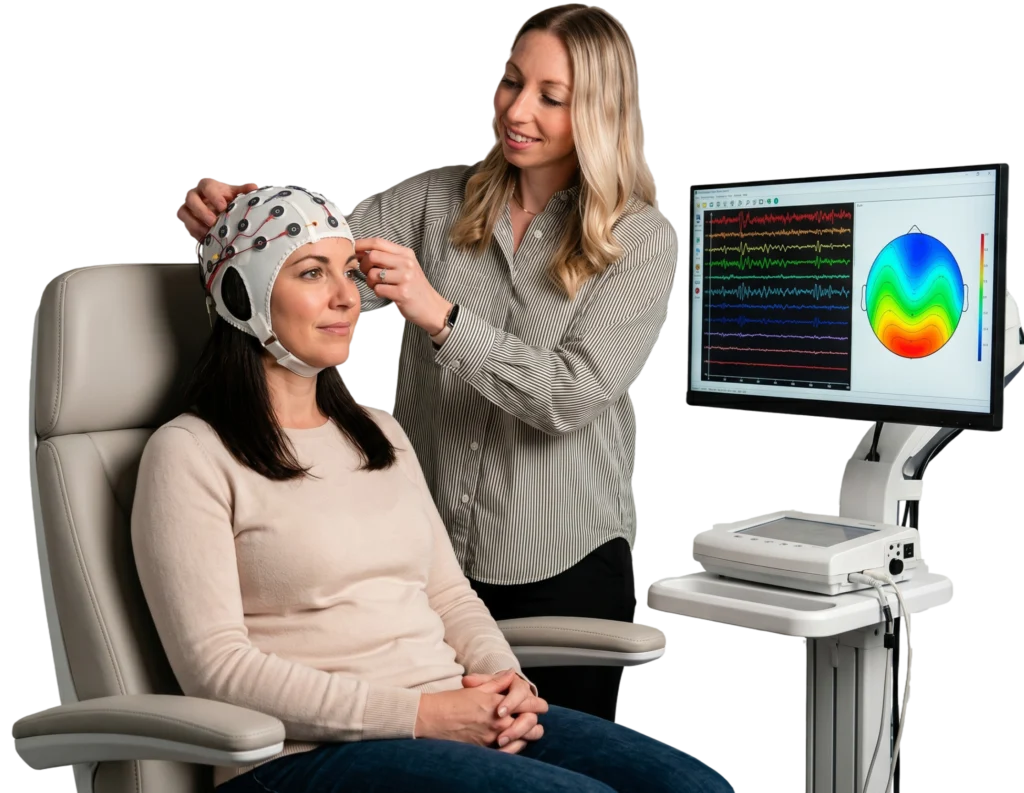
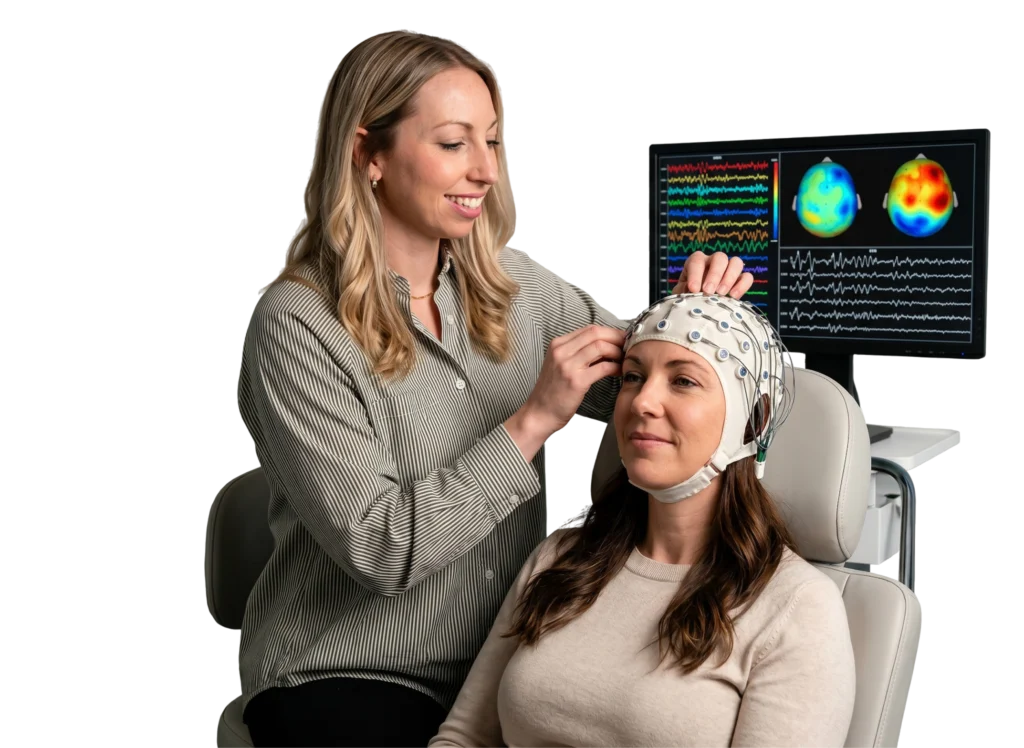
Quantitative Electroencephalography, commonly known as qEEG or Brain Mapping, is a non-invasive assessment designed to measure and analyze the brain’s electrical activity. Using specialized sensors, clinicians can observe brainwave patterns and better understand how different areas of the brain are functioning.

The information collected may help identify patterns related to attention, emotional regulation, cognitive processing, or stress responses. Brain Mapping (qEEG) in Concord. NC provides objective data that can support personalized neurofeedback and treatment planning based on your individual needs and goals.

Benefits of Brain Mapping (qEEG)

INSIGHTS THAT GUIDE PERSONALIZED CARE

Brain Mapping provides objective information about your brain’s activity, allowing clinicians to make informed recommendations and better understand patterns that may be affecting your cognitive or emotional functioning.

Our personalized Brain Mapping services in Concord. NC can also establish baseline data and help monitor changes throughout neurofeedback or other supportive care.

Brain Mapping (qEEG) may help you:

Benefits of Brain Mapping qEEG
When to Consider Brain Mapping (qEEG)

PERSONALIZED ASSESSMENTS FOR BETTER OUTCOMES

Brain Mapping may be helpful for children, teenagers, and adults experiencing attention, cognitive, emotional, or performance-related challenges.

Brain Mapping (qEEG) in Concord. NC can help provide greater insight into brainwave patterns that may be connected to your individual symptoms and concerns.

ADHD

Evaluate patterns related to attention, executive functioning, impulsivity, and concentration.

Anxiety

Identify brainwave patterns that may be associated with stress, anxious thoughts, or difficulty relaxing.

Brain Fog

Assess brain activity associated with mental clarity, cognitive fatigue, and difficulty focusing.

Focus and Attention Challenges

Understand brainwave patterns that may influence concentration and sustained attention.

Processing Difficulties

Evaluate activity associated with memory, information processing, and cognitive performance.

Mood Regulation

Identify patterns that may influence emotional balance, motivation, and overall well-being.

Concussion Recovery Support

Monitor brain function and provide information that may support the recovery process.

Peak Cognitive Performance

Gain insight into brain activity to support stronger performance at work, school, or in athletics.
How Brain Mapping (qEEG) Works

A CLEAR PATH TOWARD PERSONALIZED CARE

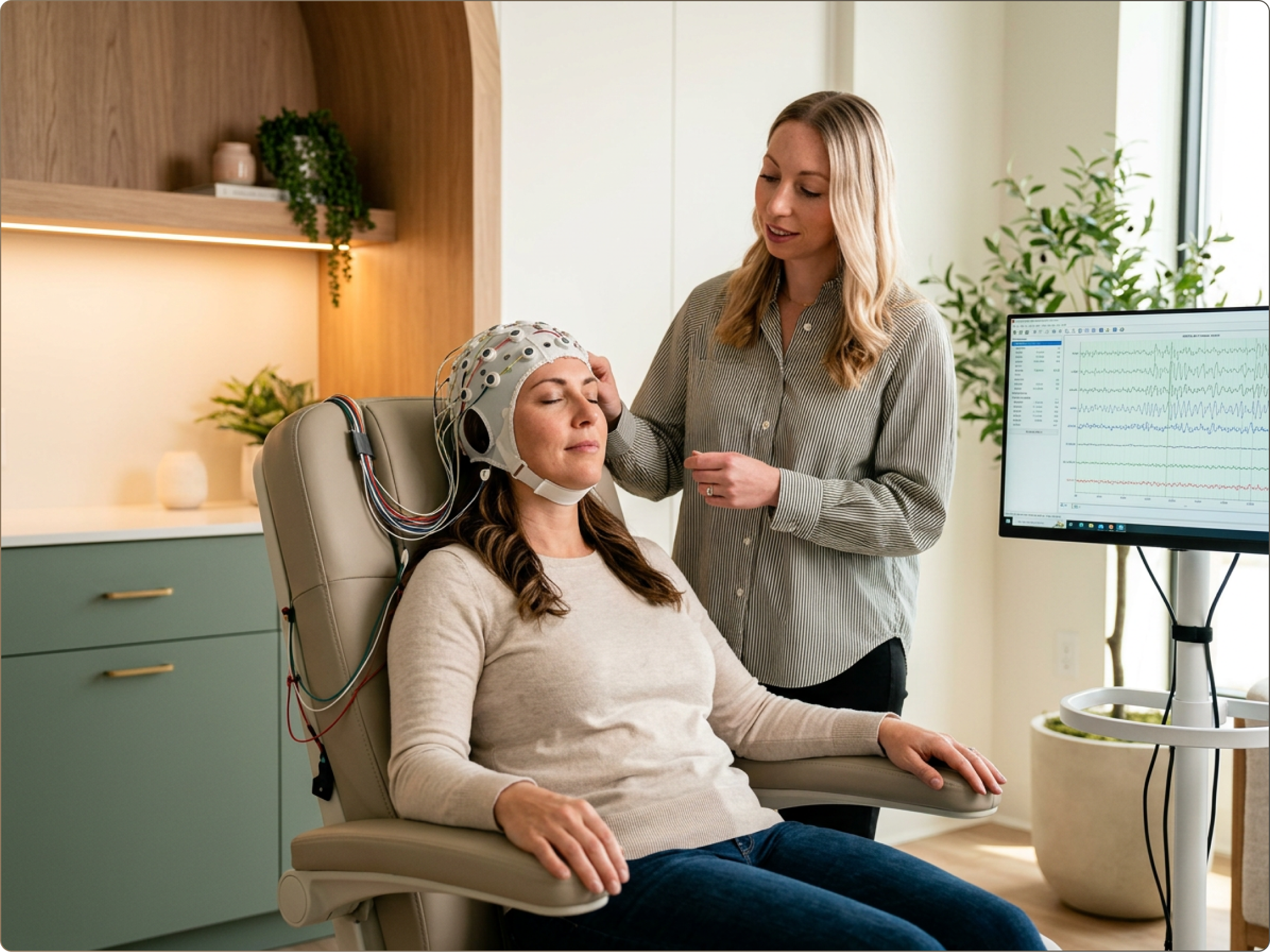
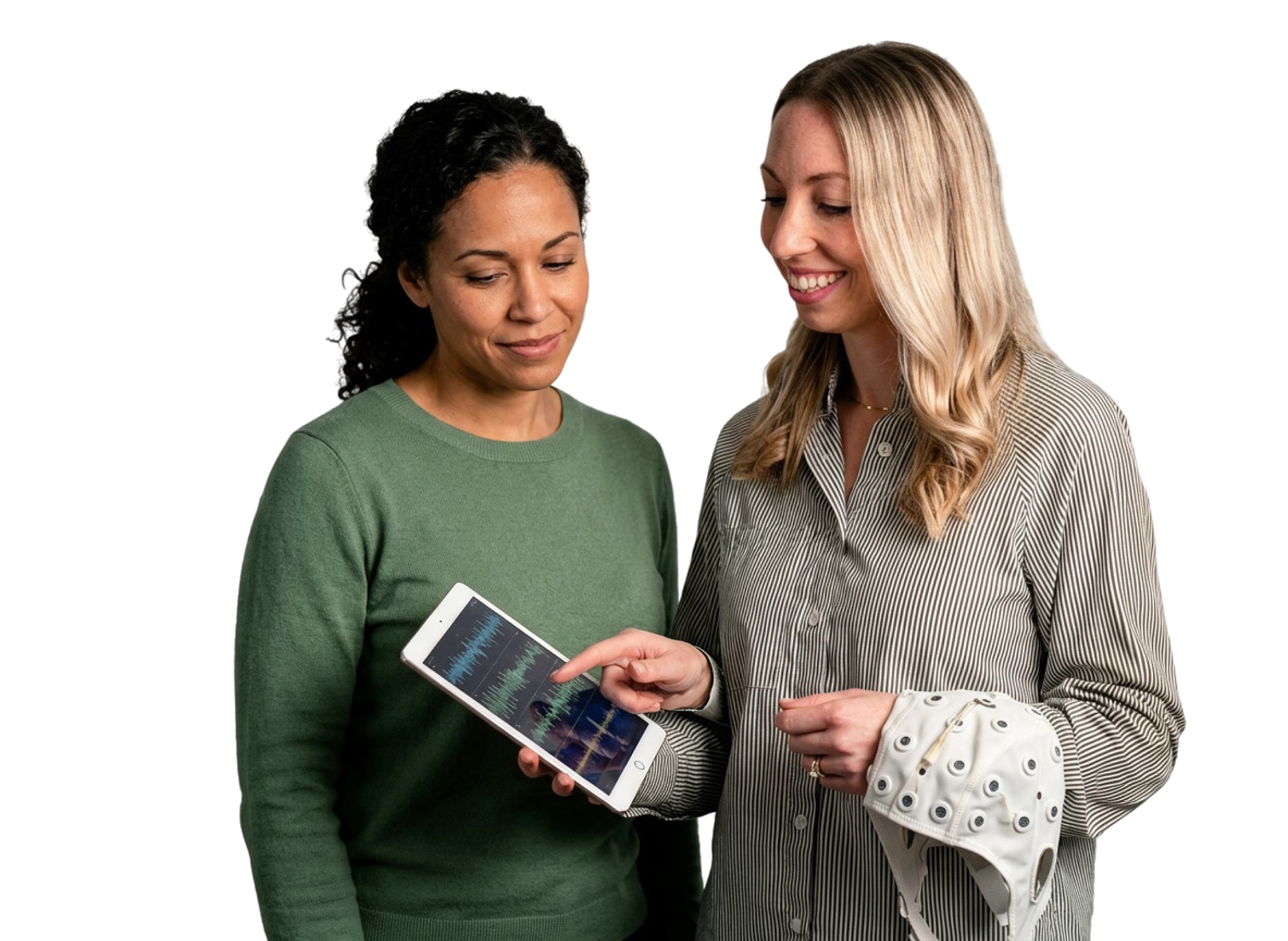
Brain Mapping begins by recording the electrical activity naturally produced by your brain. A specialized cap containing non-invasive sensors is placed on your head while you remain seated and relaxed during the assessment.

The recorded information is analyzed to identify brainwave patterns that may relate to your symptoms, cognitive concerns, or emotional functioning.

Throughout Brain Mapping (qEEG) in Concord. NC, your clinician will review the findings and determine how the information may support personalized neurofeedback or other treatment recommendations.

What to Expect From Brain Mapping

COMFORTABLE CARE AT YOUR OWN PACE

Brain Mapping provides a comfortable and supportive assessment experience without medication, radiation, injections, or invasive procedures.

During the assessment, a specialized cap is placed on your head to record brainwave activity. You may be asked to remain still and complete portions of the recording with your eyes open or closed.

During Brain Mapping (qEEG) in Concord. NC, the sensors only record the electrical activity naturally produced by your brain and do not send electrical signals into your body.

What to expect from Brain Mapping qEEG
Long-Term Brain Mapping Progress

USE OBJECTIVE DATA TO GUIDE CONTINUED CARE

Brain Mapping can establish measurable baseline information before beginning neurofeedback or another personalized treatment approach.

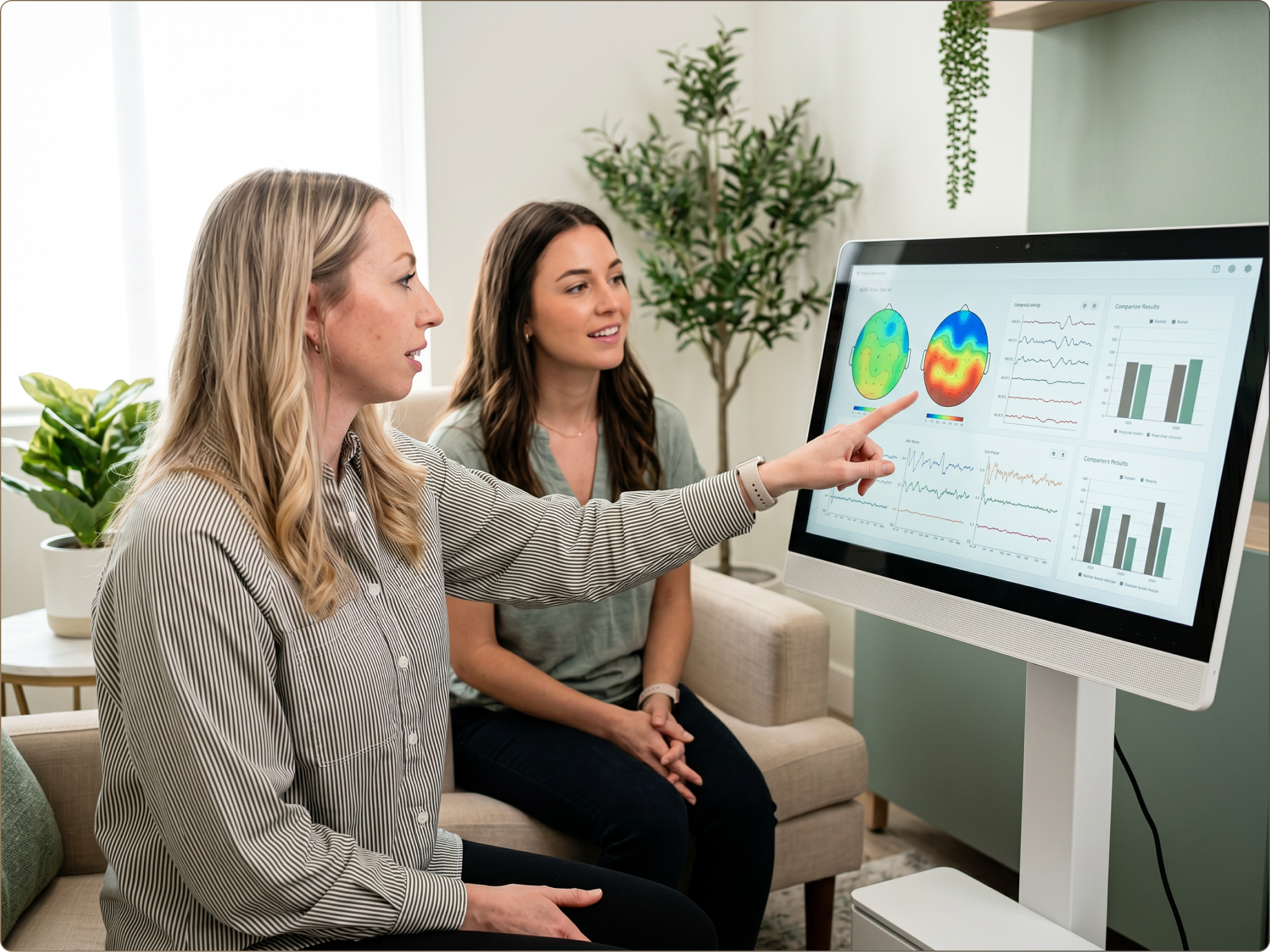
Follow-up assessments may help clinicians compare changes in brainwave activity and better understand how your brain is responding over time.

Your clinician in Concord. NC can review your results alongside changes in your symptoms, cognitive functioning, emotional wellness, and personal goals to determine whether adjustments to your treatment approach may be helpful.

Clearer Baseline Information

Establish objective brainwave data before beginning neurofeedback or supportive treatment.

Personalized Treatment Planning

Use assessment findings to identify areas that may benefit from focused care.

Measurable Progress

Compare Brain Mapping results over time to monitor changes in brainwave activity.

Continued Personalization

Adjust neurofeedback protocols or treatment recommendations as your needs and goals evolve.
Start Brain Mapping qEEG
Start Brain Mapping (qEEG) in Concord. NC

TAKE THE NEXT STEP TOWARD GREATER CLARITY

Attention challenges, brain fog, emotional dysregulation, memory difficulties, and changes in cognitive performance can affect your confidence and everyday functioning.

Brain Mapping can help provide a clearer understanding of your brainwave activity and identify patterns that may be connected to your individual concerns.

Brain Mapping (qEEG) in Concord. NC provides personalized, non-invasive assessment in a supportive setting. Begin gaining objective insight that may guide neurofeedback, treatment planning, and long-term cognitive and emotional wellness.

FAQs

QUESTIONS? WE HAVE ANSWERS.

1. What is Brain Mapping (qEEG)?

Brain Mapping, also known as Quantitative Electroencephalography or qEEG, is a non-invasive assessment that records and analyzes the brain’s electrical activity. It provides objective information about brainwave patterns and overall brain functioning.

Brain Mapping may provide insight into patterns related to ADHD, anxiety, attention difficulties, brain fog, emotional regulation, memory concerns, cognitive processing, concussion recovery, and performance goals.

A specialized cap with non-invasive sensors is placed on your head to record your brain’s natural electrical activity. You may complete portions of the assessment with your eyes open or closed while remaining seated and relaxed.

Yes. Brain Mapping does not send electricity into your brain. The sensors only record the electrical activity naturally produced by your brain and do not involve medication, injections, or radiation.

Yes. Brain Mapping results may help identify brainwave patterns and guide personalized neurofeedback training. The assessment may also establish baseline information that can be compared with future results.

Start Building a Calmer, More Confident Life